
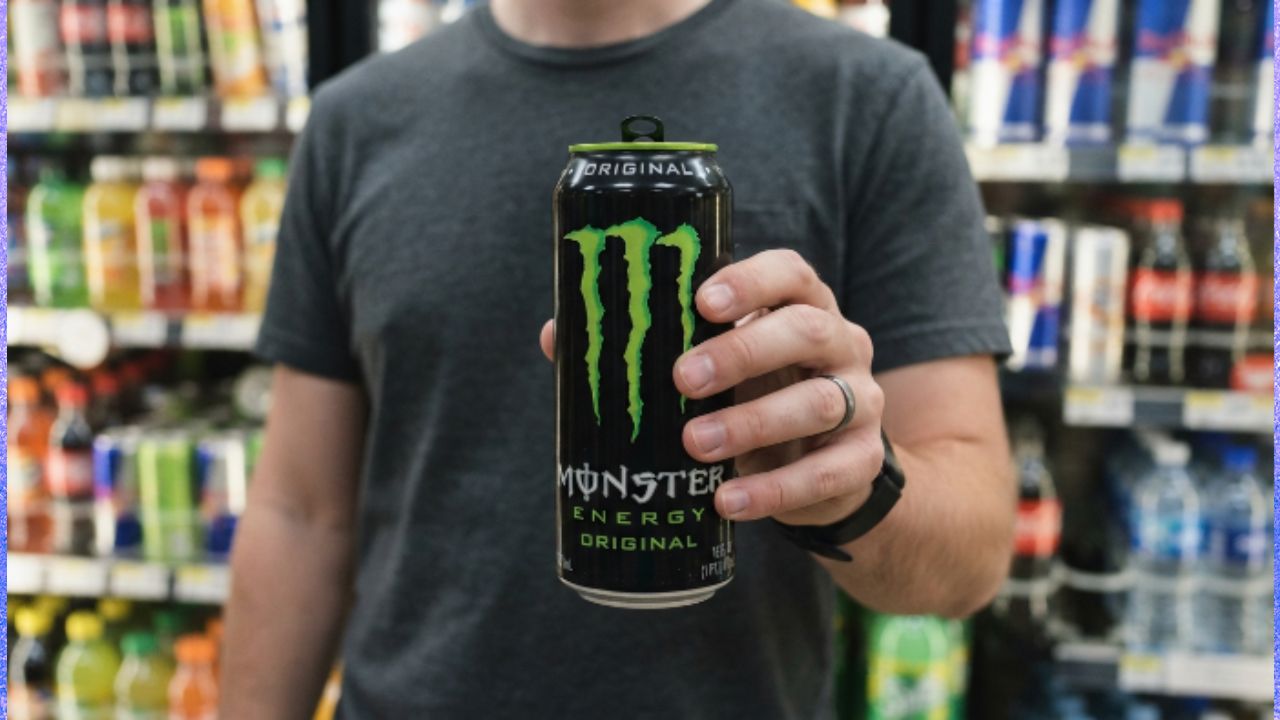
There is something strangely satisfying about holding a cold can in your hand. Maybe it’s the little hiss when the tab pops, or that cold aluminum feeling that wakes up your palm before the first sip. I remember looking at a Monster Energy Drink can once and thinking how funny it is that we rarely ask about the object itself. We care about what’s inside, the flavor, the caffeine, the branding but not really the can.
And yet, the Monster can size is doing a surprising amount of work.
Its height, diameter, shape, lid, walls, and volume all affect how the drink feels in your hand, how it fits inside a refrigerator, how many cans fit in a case, and even how the product looks on a convenience-store shelf. It’s a tiny piece of beverage packaging with a whole little engineering story hiding underneath the label.
So, how big is a Monster can? The answer depends on which version you mean. A common Monster energy drink sold in the United States is the 16 oz / 473 ml size, but Monster products are also sold in other capacities and formats around the world.
Monster Can Size Chart
| Can Size | Volume | Approx. Height | Approx. Diameter |
|---|---|---|---|
| Mini Can | 6.75 oz / 200 ml | 5.4 in | 2.1 in |
| Small Can | 8.4 oz / 250 ml | 5.5 in | 2.1 in |
| Standard Can | 12 oz / 355 ml | 5 in | 2.6 in |
| Monster 16 oz | 473 ml | 6.6 in | 2.6 in |
| Monster 24 oz | 709 ml | 7–8 in | 2.7 in |
What Is the Typical Monster Can Size?
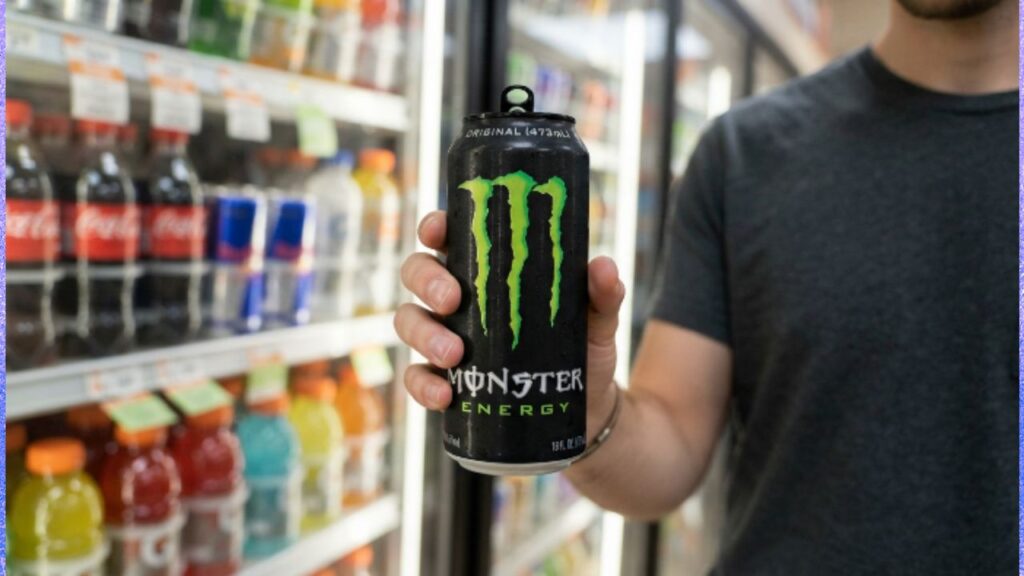
The most familiar Monster can is the tall, cylindrical 16-ounce version. Its liquid capacity is about 473 ml, which makes it noticeably larger than a traditional 12 oz / 355 ml soda can.
A typical 16 oz Monster-style can is roughly around 6.5 to 6.7 inches tall and approximately 2.6 inches in diameter, although exact Monster can dimensions can differ according to the market, product line, and packaging format. Those tiny differences matter more than you might expect.
The important thing is not to treat one measurement as universal. Monster Energy Drink products have appeared in several sizes, including smaller cans and larger 24 oz formats. So when somebody asks, “how big is a Monster can?” the useful answer is really, “Which Monster can?”
Monster Can Dimensions in Inches
For a commonly encountered 16 oz / 473 ml format, the rough dimensions can be thought of as:
| Monster Can Feature | Approximate Size |
|---|---|
| Capacity | 16 oz / 473 ml |
| Height | About 6.6 inches |
| Diameter | About 2.6 inches |
| Shape | Tall cylindrical |
| Material | Usually aluminum |
| Typical volume | 473 ml |
These numbers are practical estimates rather than a universal engineering specification. Actual Monster can measurements can vary slightly between products and markets.
The familiar tall shape is sometimes casually described as a tall boy can, although “tall boy” is more commonly used as a general packaging term for larger beverage cans rather than a precise Monster product category.
Monster Can Size: Why 16 Oz Feels So Different
A 16 oz can does not sound dramatically larger than a 12 oz can until you hold both beside each other.
A 12 oz / 355 ml can contains roughly 25% less liquid than a 16 oz / 473 ml can. That extra volume also gives the Monster package its taller appearance. It looks less like the classic short soda can and more like a little aluminum tower.
That visual difference creates a particular hand feel.
Your fingers wrap around a taller surface. The can feels substantial without becoming difficult to carry. This is where ergonomics, grip, and portability quietly enter the picture.
A can isn’t merely a container. It is an object somebody has to pick up, carry, open, tilt, drink from, and eventually throw into a recycling bin.
Monster Can Height and Width
If you’re mainly interested in the physical proportions, think of the common Monster can as roughly 6.6 inches tall and around 2.6 inches wide across the body.
That gives the package a tall-and-narrow silhouette.
For comparison, many conventional 12 oz cans are around 4.8 to 5 inches tall and close to 2.6 inches in diameter. The diameter isn’t wildly different, but the height certainly is.
That is why a Monster can can look much bigger even though its width isn’t dramatically different.
The difference is mostly vertical.
Monster 16 Oz Can and 473 ml Explained
The Monster 16 oz can is essentially the same volume as a 473 ml can.
The conversion is:
16 US fluid ounces ≈ 473 ml
That doesn’t mean every can labeled 16 oz will have identical physical dimensions. Two packages can hold the same amount of liquid while using slightly different heights, diameters, or end designs.
This is a useful lesson in beverage container engineering: capacity and physical dimensions are related, but they aren’t the same thing.
A manufacturer can change the shape while keeping the internal volume nearly identical.
Monster Can Size Chart
Here’s a quick comparison of common beverage sizes you may encounter:
| Can Size | Metric Volume | General Format |
|---|---|---|
| 6.75 oz | 200 ml | Mini can |
| 8 oz | 236 ml | Small can |
| 8.4 oz | 250 ml | Slim/small can |
| 12 oz | 355 ml | Standard can |
| 16 oz | 473 ml | Tall can |
| 24 oz | 709 ml | Large/tall can |
This can size chart is useful when comparing Monster with other drinks such as Red Bull, soda, beer, White Claw, craft beer, or ready-to-drink coffee.
The volume changes, but the packaging doesn’t always grow in a perfectly predictable way. Packaging designers have to balance capacity with stability, transportation, material use, and consumer expectations.
Monster Slim Can and Smaller Formats
Not every energy drink needs to arrive looking like an aluminum skyscraper.
A Monster slim can or smaller-format package may use a narrower body and a different height-to-diameter ratio. Smaller cans such as 8.4 oz / 250 ml formats are particularly common across the broader energy-drink market.
The basic idea is simple: make the container easier to carry and portion while maintaining enough surface area for branding.
A slim shape can also create a more refined premium feel. Funny how our hands apparently have opinions about packaging.
The same liquid capacity can feel completely different depending on the shape of the container.
Monster 24 Oz Can: The Bigger Option
The Monster 24 oz can contains approximately 709 ml of liquid, which is considerably more than the familiar 16 oz format.
That makes a 24 oz can visually larger and generally taller or otherwise dimensioned to accommodate its greater can volume.
A 24 oz package can be useful for people who want a larger serving without buying multiple cans. But bigger isn’t automatically better. Large cans also require more shelf space, more storage room, and more consideration during transportation.
In retail environments, a few extra inches across dozens of cases can become a surprisingly serious logistics problem.
How Monster Compares With a Standard Soda Can
Put a Monster can next to a standard 12 oz / 355 ml beverage can, and the difference becomes obvious.
The standard soda can is shorter and contains less liquid. The Monster 16 oz format is taller while maintaining a similar cylindrical grip.
| Feature | Standard Soda Can | Monster 16 oz Can |
|---|---|---|
| Volume | 12 oz / 355 ml | 16 oz / 473 ml |
| Approx. height | Around 5 inches | Around 6.6 inches |
| Approx. diameter | Around 2.6 inches | Around 2.6 inches |
| Overall impression | Shorter | Taller |
These dimensions are approximate because beverage can dimensions vary among manufacturers.
Still, the comparison explains why the Monster package instantly feels like a different category of drink.
Why Beverage Cans Have Similar Diameters
Ever notice that a soda can, beer can, and energy drink can can have almost the same basic width?
That’s not an accident.
Manufacturers have spent decades refining can engineering around machinery, lids, filling equipment, transportation, vending machines, refrigerators, and consumer handling.
A diameter around the familiar 2.5-to-2.7-inch range creates a useful balance between stability and grip.
Make it too wide, and the can becomes awkward for many hands. Make it too narrow, and you may need extra height or a different package structure.
Packaging is basically a negotiation between physics and marketing.
Aluminum Can Dimensions and Materials
Most modern beverage cans are made from lightweight aluminum, although steel beverage cans and tin-plated steel packages are also used in certain applications and markets.
Aluminum became hugely important because it is lightweight, formable, relatively durable, and recyclable.
The walls of an aluminum can are surprisingly thin. They don’t need to be thick slabs of metal because the cylindrical structure itself provides strength. Internal pressure from carbonation can also contribute to the can’s rigidity.
That means the can design is doing more work than its flimsy appearance suggests.
The next time you crush an empty can, remember: before you crushed it, that little tube was a carefully engineered pressure vessel.
Can Diameter, End Size, and Lid Engineering
The opening at the top is another fascinating part of the package.
The end size refers broadly to the top closure specification, and beverage packaging can use different industry-standard ends such as 200 end, 202 end, and other formats. Terms such as 206 end and 209 end can also appear in packaging specifications, depending on the container system.
The lid has to be strong enough to survive manufacturing, shipping, handling, and internal pressure while still allowing a person to open it with one finger.
That tiny pull tab is doing quite a bit, actually.
Good lid engineering also helps protect the contents and maintain a consistent drinking experience.
Why Can Shape Affects the Drinking Experience
Two drinks can contain exactly the same volume but feel different because of their containers.
A tall can changes the way your hand wraps around it. The opening position changes the way you tilt it. The diameter influences the grip. Even the visual height can change your expectations before you take the first sip.
This is part of consumer psychology and design psychology.
People don’t experience beverages through taste alone. They experience color, weight, texture, temperature, shape, sound, and branding too.
The can becomes part of the product.
Monster Can Size and Branding Impact
Monster’s distinctive packaging uses a tall surface like a miniature billboard.
That large vertical area provides room for bold graphics, logos, flavor names, nutritional information, warnings, and other required labeling.
This creates strong shelf appeal.
Imagine a refrigerator packed with dozens of products. A taller can can break up the visual rhythm of standard cans. That difference can attract attention even before someone consciously reads the label.
That’s where marketing, branding, and branding impact collide with physical design.
The shape is not shouting, exactly. It is kinda whispering very loudly.
Why Monster Cans Fit Refrigerators So Well
A refrigerator shelf is a quiet little geometry puzzle.
Cans need to stand upright, remain stable, and use available shelf space efficiently. A cylindrical package around 2.6 inches wide can fit into many common beverage coolers without wasting enormous amounts of room.
The taller Monster format does require more vertical clearance than a standard soda can, though.
That’s why commercial coolers, convenience-store refrigerators, and vending machines are designed with different product heights in mind.
Packaging decisions can literally influence where a drink can be displayed.
Can Size and Transportation Efficiency

A can doesn’t go directly from factory to your hand.
It travels.
Manufacturing facilities fill and seal it, cases are packed, pallets are stacked, trucks carry them, warehouses store them, retailers arrange them, and eventually someone opens one while standing beside a refrigerator at 11 p.m.
Every stage cares about transportation efficiency, logistics, and stackability.
A well-designed can allows manufacturers to pack many units into standardized cases such as a 6-pack, 12-pack, or 24-pack.
The goal is simple: move as much beverage as possible while using reasonable amounts of packaging material and space.
Monster Can Size and Pack Sizes
The number of cans in a package can influence both consumer convenience and shipping efficiency.
Common configurations across the beverage industry include:
- 6-pack cans for household convenience.
- 12-pack cans for regular stock-up purchases.
- 24-pack cans for retail, events, offices, and larger households.
- Individual cans for convenience stores and vending machines.
Larger pack sizes generally improve efficiency per unit during transportation, but they also need more storage space.
That is why pack sizes aren’t only a marketing decision. They’re part of packaging logistics too.
Aluminum vs Steel Cans
When discussing aluminum vs steel cans, aluminum is especially common for carbonated beverages because it combines low weight with useful strength and excellent recyclability.
Steel has its own advantages, including durability and strong structural properties, and it remains important in many forms of packaging.
For a consumer, though, the difference is often less obvious than the label suggests.
What you really notice is the hand feel, temperature, stiffness, opening mechanism, and overall package design.
The material is quietly shaping all of those sensations.
Why Carbonation Matters to Can Engineering
Energy drinks and sodas are often carbonated beverages, which means the container has to deal with internal pressure.
A poorly designed package would deform, leak, or fail under pressure.
The cylindrical shape is naturally useful because curved walls distribute forces efficiently. That’s one reason beverage cans don’t look like little rectangular boxes.
A rectangle might be convenient in some ways, but pressure doesn’t care about convenience.
The can’s shape, wall thickness, lid, seams, and internal coating all contribute to product preservation and carbonation preservation.
Monster Can Size and Environmental Considerations
Modern beverage packaging also has an environmental side.
Lightweight aluminum cans can be recycled repeatedly, and aluminum can recycling is an important part of beverage packaging systems.
Using less material can reduce package weight, which can potentially help with transportation efficiency. But environmental performance is bigger than simply asking whether the can is aluminum.
Manufacturing, collection, recycling rates, transportation, energy use, and consumer behavior all matter.
The little can therefore has a surprisingly long life story—factory, shelf, hand, recycling bin, and hopefully back into useful material.
Monster Can Dimensions Around the World
One tricky thing about searching for Monster Energy can dimensions is that products differ by country.
A can sold in the United States may not have exactly the same dimensions as one sold in the United Kingdom, Europe, Australia, or another market.
Different markets use different volume conventions and package formats.
You may see:
- 200 ml / 6.75 oz
- 236 ml / 8 oz
- 250 ml / 8.4 oz
- 355 ml / 12 oz
- 473 ml / 16 oz
- 709 ml / 24 oz
So if you’re designing a holder, shelf, cooler, shipping carton, or custom product around a Monster can, don’t rely only on a generic internet measurement.
Measure the exact can you have.
Common Can Measurements You May Encounter
Packaging specifications sometimes use dimensions expressed in millimeters rather than inches.
For example, you might encounter figures such as 200 mm, 202 mm, 206 mm, or 209 mm in packaging discussions. These numbers can refer to industry packaging specifications and ends rather than simply meaning “the can is this many millimeters tall.”
Likewise, measurements such as 5 7/16 inches, 6 3/8 inches, 7 1/16 inches, or 7 10/16 inches may appear in packaging charts for different container formats.
This is why reading a can specification requires context.
A number by itself is just a number. Packaging engineers need to know what that number is measuring.
How Big Is a Monster Can Compared With Other Drinks?
A Monster can sits comfortably in the larger everyday beverage category.
A 16 oz Monster contains more liquid than:
- A typical 8.4 oz energy drink can.
- A 12 oz soda can.
- A 12 oz beer can.
It is similar in volume to other 16 oz beverages, including some craft beer, flavored sparkling drinks, and ready-to-drink coffee products.
Meanwhile, a 24 oz Monster-style package is substantially larger.
So when comparing can size, volume is the first thing to check—but height and diameter tell the rest of the physical story.
Why Bigger Cans Feel Like Better Value
There’s a small psychological trick happening here.
When consumers see a taller package, they often perceive it as substantial. The visible size reinforces the idea that they’re getting more product.
This is value perception.
A 16 oz can doesn’t just contain 473 ml. It looks like 473 ml.
That distinction is important in packaging. A company isn’t only selling a liquid. It is presenting the liquid through a physical object that communicates convenience, energy, portability, and sometimes even a premium feel.
The package becomes part of the promise.
Monster Can Size and Convenience
Portability is one of the biggest reasons cans remain popular.
A can is sealed, stackable, relatively lightweight, easy to chill, and simple to open. You don’t need a glass, bottle opener, measuring cup, or special container.
That little pull tab says: we’re done with the ceremony.
For commuters, students, workers, travelers, athletes, and people simply grabbing a drink from a cooler, that convenience matters.
The package is ready when you are.
What About Monster Mini Cans?
The phrase Monster mini can can refer to smaller Monster formats, although exact availability depends on the product and market.
Smaller formats are useful for consumers who prefer less beverage volume or want a compact package.
The broader beverage industry has increasingly explored smaller portions, particularly across energy drinks, functional drinks, coffee, and other products.
A smaller can can offer a different balance between portion size, portability, price, and consumption habits.
Sometimes smaller is not “less.” It’s just more specific.
Why There Isn’t One Universal Monster Can Measurement
If you’ve searched “Monster can width” or “Monster can length” and found several answers, you’re not necessarily seeing a mistake.
Different can sizes exist.
Even within a particular capacity, manufacturers may adjust dimensions slightly because of:
- Production equipment.
- Market requirements.
- Can supplier specifications.
- Lid and end design.
- Labeling needs.
- Material efficiency.
- Retail display requirements.
- Product-specific packaging.
So a measurement like 6.6 inches should be treated as a useful approximate figure for a common format, not a permanent law of the Monster universe.
A Simple Way to Measure Your Monster Can
If you need exact dimensions, measuring the physical can is the easiest method.
Use a ruler or caliper and record three things:
Can height: Measure from the bottom of the can to the top edge.
Can diameter: Measure straight across the widest part of the cylindrical body.
Can capacity: Check the printed volume on the label, usually expressed in fluid ounces and/or milliliters.
For accurate custom manufacturing, use a caliper rather than a household ruler. Tiny differences can matter when designing a sleeve, holder, cup insert, or storage compartment.
The Secret World Inside Your Beverage
A Monster can looks simple because good engineering usually hides itself.
You see a colorful aluminum cylinder.
Engineers see wall strength, internal pressure, seams, coating, lid geometry, filling speed, material costs, shipping dimensions, recycling requirements, and consumer handling.
Marketers see a moving billboard.
Retailers see shelf space.
Consumers see a cold drink.
All of those perspectives are correct.
That’s what makes Monster can size more interesting than it first appears.
The dimensions aren’t random. They’re the result of a long chain of decisions involving can design, manufacturing, economics, ergonomics, marketing, logistics, and user experience.
Frequently Asked Questions
How big is a Monster can?
A common Monster can holds 16 oz (473 ml) and is approximately 6.6 inches tall and 2.6 inches wide.
How tall is a Monster 16 oz can?
A typical Monster 16 oz can is around 6.6 inches tall, though exact dimensions can vary by product and market.
How wide is a Monster can?
A standard 16 oz Monster can is approximately 2.6 inches in diameter.
What sizes do Monster cans come in?
Monster cans are available in several sizes, including 8.4 oz, 12 oz, 16 oz, and 24 oz, depending on the product and region.
How many milliliters are in a Monster can?
The common 16 oz Monster can contains approximately 473 ml of beverage.
Height of Monster Can
A typical 16 oz Monster can is about 6.6 inches tall, though dimensions can vary slightly by product and region.
Monster Can Inches
The common 16 oz Monster can measures roughly 6.6 inches in height and 2.6 inches in diameter.
Read This Blog:https://mynoval.com/long-is-25-feet/
Final Thoughts on Monster Can Size
The common 16 oz / 473 ml Monster format is roughly around 6.6 inches tall and 2.6 inches in diameter, though exact Monster can dimensions can vary by product and market. Smaller 8.4 oz / 250 ml cans and larger 24 oz / 709 ml versions can have noticeably different proportions.
So if you were wondering how tall is a Monster can, how wide is a Monster can, or simply how big is a Monster can, the short answer is: it depends on the format, but the familiar 16 oz can is a tall, roughly 6.6-inch package holding about 473 ml.
And honestly, there’s something delightful about realizing how much thought lives inside such an ordinary object. The can that sits quietly in your refrigerator has traveled through engineering rooms, factories, warehouses, trucks, shelves, and human hands before reaching you.
Next time you crack one open, listen to that little pssst.
That’s not just a sound.
It’s packaging engineering saying hello.