

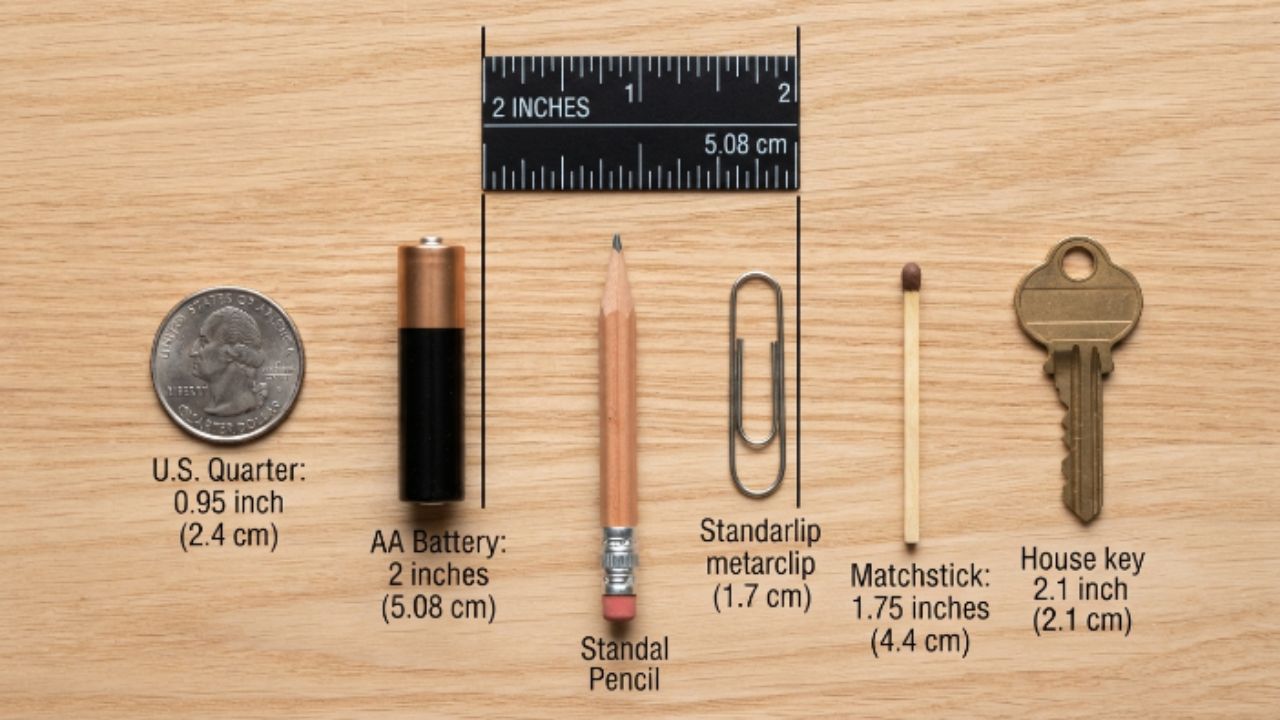
Have you ever looked at a measurement like 2 inches and wondered, “Okay, but what does that actually look like in real life?” Numbers on a ruler can feel oddly abstract. A 2 inch measurement sounds small, but without a reference point, it can be surprisingly difficult to imagine. Our brains understand size better when we connect numbers to familiar things we can see, touch, and hold.
A child learning measurements might ask how long 2 inches is, while someone shopping online may wonder whether a small item will fit in a drawer, pocket, or container. Even adults often need a quick visual reference when measuring without a ruler.
The good news is that 2 inches is easy to picture once you compare it with everyday objects. A coin, a battery, a paperclip, a finger, or a small household item can become your personal measuring tool. This guide explores how big is 2 inches, what objects are close to this size, and how to estimate this length anywhere.
Quick 2 Inches Size Comparison Table
| Object | Approximate Size Compared to 2 Inches |
|---|---|
| AA Battery | Almost exactly 2 inches long (about 1.97 inches) |
| Two US Quarters | Nearly 2 inches side by side |
| Business Card | Short side is exactly 2 inches |
| Credit Card | Slightly wider than 2 inches (about 2.125 inches) |
| Small Paperclip | About 1–2 inches depending on type |
| Standard Eraser | Many small erasers are close to 2 inches long |
| BIC Mini Lighter | Around 2 inches tall |
| Hockey Puck | Two stacked pucks are about 2 inches thick |
| Adult Thumb | Two thumb widths are roughly 2 inches |
| Two Finger Widths | A quick hand measurement close to 2 inches |
Understanding the Actual Size of 2 Inches
Before comparing objects, it helps to understand the basic measurement itself. An inch (in) is a standard unit used mainly in the imperial units system, especially in countries like the United States. In the metric system, the same length is measured differently.
The exact conversions are:
- 2 inches = 5.08 cm
- 2 inches = 50.8 mm
- 2 inches = 0.0508 meters
- 2 inches = approximately 0.17 feet
- 2 inches = approximately 0.06 yards
So when someone asks, “What is 2 inches in centimeters?” the answer is 5.08 cm. When converted into millimeters, the length of 2 inches becomes 50.8 mm.
That number may still feel a little distant, though. Five centimeters does not immediately create a picture in your mind. That is why object comparison is so useful. A measurement becomes more memorable when it is attached to something familiar.
How Big Is 2 Inches Compared to Your Hand?
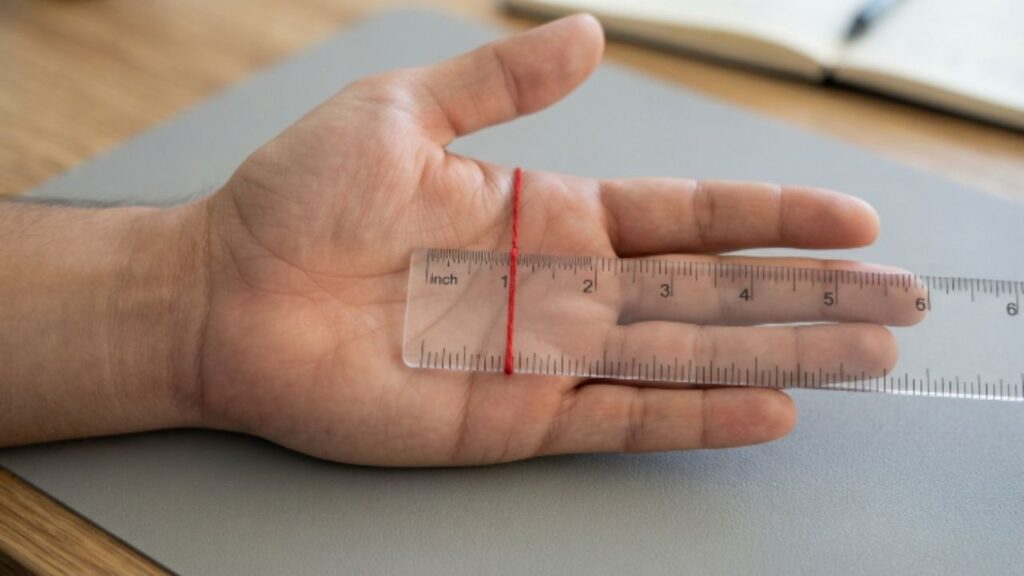
Your hand is one of the easiest tools for a quick hand measurement reference. Most people carry a natural measuring guide with them every day.
A person’s hand size varies, so these examples are only an approximate measurement, but they work well for estimation.
A few ways to visualize 2 inches using your hand:
- The thumb width of many adults is close to 1 inch. Two thumb widths placed side by side are often near 2 inches.
- The distance from the tip of a thumb to the first finger joint can be around 1 to 2 inches depending on hand size.
- Two average adult finger widths placed together can give a rough idea of this length.
- The width across a small part of the palm can sometimes be close to 2 inches.
A grandmother teaching a child how to estimate measurements might say, “Your thumb is your tiny ruler.” It is not perfectly accurate, but it makes measuring feel less like a math exercise and more like a discovery.
For a quick answer to “how big is 2 inches compared to your hand?”, imagine roughly two thumb widths or a small section of your fingers.
2 Inches Compared to a US Quarter
Coins are among the easiest objects for understanding size.
A United States quarter dollar coin has a diameter of about 0.955 inches. That means one quarter is slightly less than 1 inch across.
Two quarters placed side by side measure almost exactly 2 inches.
This makes the US quarter diameter comparison very useful:
- One quarter = about 1 inch
- Two quarters side by side = almost 2 inches
If you are trying to visualize 2 inches without a ruler, grabbing two coins from your pocket is a surprisingly good trick.
It is also a nice example of how a tiny object can become a measuring tool. A coin that usually disappears into a wallet suddenly becomes a miniature ruler.
Everyday Objects That Are About 2 Inches Long
Many ordinary objects around your home are close to this size. These items help answer the question: “What objects are 2 inches long?”
Small Paperclip Comparison
A standard small paperclip is often around 1 inch long, while larger versions may approach 2 inches.
A paperclip length comparison works because most people recognize the shape instantly. A paperclip stretched out beside a ruler gives a good feeling for small measurements.
A pair of small paperclips placed end-to-end can create a rough 2 inches comparison.
AA Battery Size Comparison
An AA battery is another useful reference.
A typical AA battery is about 1.97 inches long, which is extremely close to 2 inches.
This means if you hold a regular AA battery in your hand, you are almost holding an exact example of things that are 2 inches long.
It is one of the best household comparisons because batteries are common, consistent, and easy to recognize.
Standard Eraser Dimensions
A small rectangular pencil eraser can also be close to 2 inches depending on the type.
A school-style eraser may measure around:
- Length: about 2 inches
- Width: around half an inch
- Thickness: smaller than the length
This makes an eraser a helpful object size reference for students learning about measurement.
BIC Mini Lighter Height
A small BIC mini lighter is another familiar comparison. Many mini lighters are close to 2 inches tall.
This does not mean every lighter is exactly 2 inches, because product sizes vary, but it provides a strong visual example.
When someone asks “what does 2 inches look like?”, a compact lighter is often easier to imagine than a number written on paper.
2 Inches Compared With Cards and Paper Items
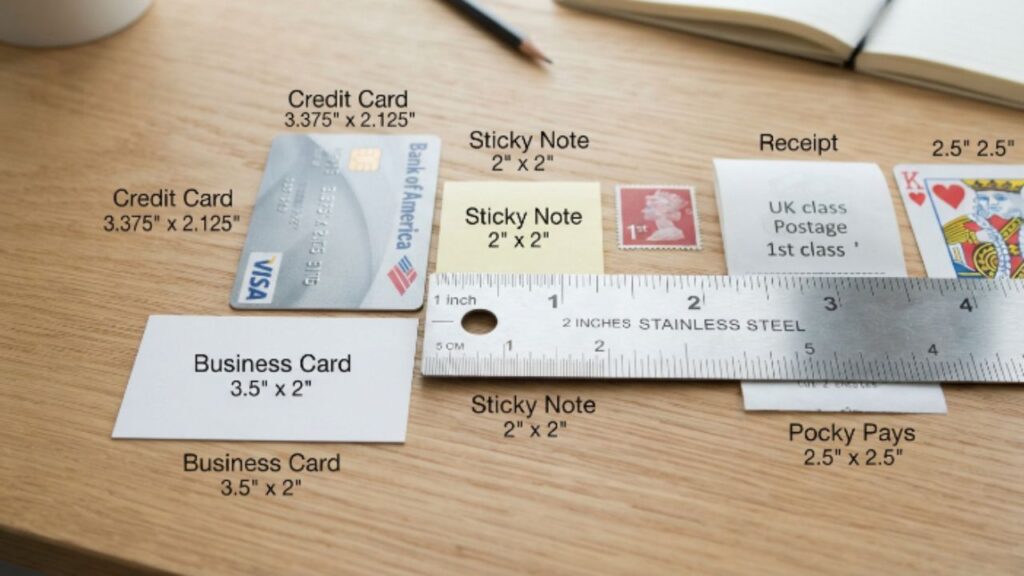
Flat objects are also helpful because their dimensions are standardized.
Business Card Width
A typical business card is:
- About 3.5 × 2 inches
This means the shorter side of many business cards is exactly 2 inches.
The business card width is one of the cleanest examples of a 2-inch measurement. If you have a business card nearby, the short edge gives you an instant visual guide.
Credit Card Comparison
A standard credit card is approximately:
- 3.375 × 2.125 inches
The shorter side is slightly longer than 2 inches, measuring about 2.125 inches.
So a credit card is just a tiny bit wider than 2 inches. The difference is only about one-eighth of an inch, which most people would not notice without measuring tools.
Napkin Size Reference
Small folded napkins can also provide a rough comparison. A compact napkin corner or folded section may be close to 2 inches, although napkin sizes vary greatly.
This is a good reminder that everyday estimates are useful, but they are still estimates.
Other Objects That Help You Visualize 2 Inches
There are many more examples around the house, office, or garage.
Some common everyday objects measuring 2 inches or close to it include:
- A small key
- A bottle cap diameter
- A golf tee head-to-shaft section
- A dice cube height (depending on the dice type)
- A matchstick segment
- A small binder clip width
- A hockey puck thickness
A standard hockey puck is about 1 inch thick, so two hockey pucks stacked together would be close to 2 inches.
A single dice cube is usually around 0.6 to 0.8 inches, so it takes several dice stacked together to reach this measurement.
These examples show why 2 inches compared to common objects can be more useful than memorizing numbers alone.
How to Measure 2 Inches Without a Ruler
Sometimes you need a measurement quickly and there is no ruler nearby. Learning how to estimate 2 inches without a ruler can help.
Try these methods:
Use Your Thumb
The average adult thumb width is often around 1 inch. Place your thumb sideways twice to estimate 2 inches.
Remember, this is a visual measurement, not a laboratory measurement.
Use Your Fingers
Two finger widths can often represent about 2 inches. This method works especially well when comparing small objects.
Use a Familiar Object
Keep a mental collection of reference objects:
- AA battery = almost 2 inches
- Two quarters = about 2 inches
- Business card short side = 2 inches
- Small household objects = useful quick guides
Over time, your brain becomes better at length estimation because it learns patterns.
Why Small Measurements Matter in Everyday Life
A measurement like 2 inches may seem insignificant, but small differences can matter a lot.
A two-inch gap can decide whether something fits inside a drawer. A two-inch decoration can change the appearance of a craft project. A two-inch piece of material can be the exact size needed for a repair.
Parents often encounter tiny measurements when buying baby items, organizing a nursery, or tracking early baby growth milestones. A newborn’s tiny socks, blankets, or accessories may be measured in inches because small dimensions matter.
A parent might look at a tiny object and say, “It’s only two inches, but somehow it feels like the whole world in my hand.” Small measurements often carry surprisingly big emotions.
Common Mistakes When Comparing 2 Inches
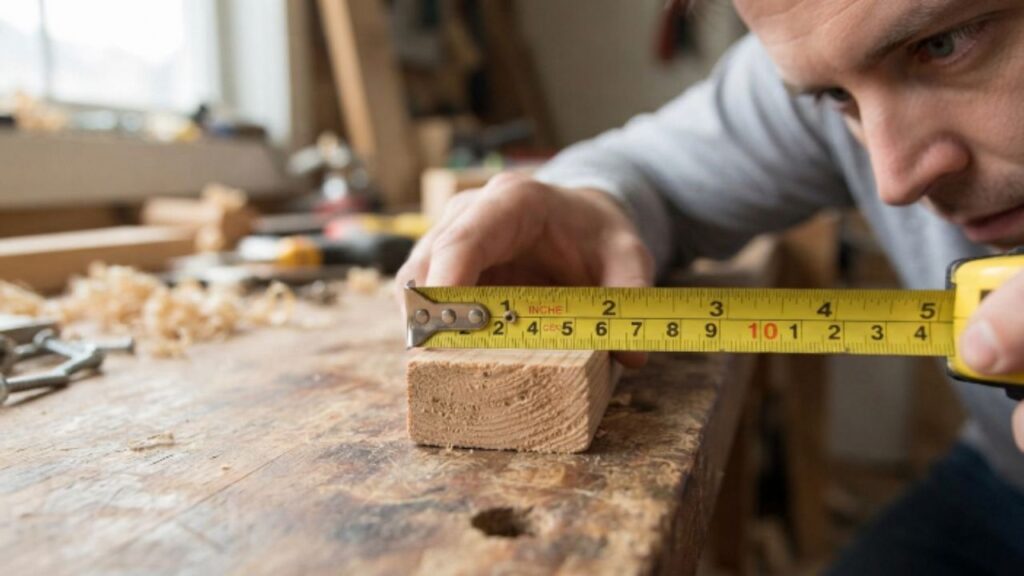
When trying to compare sizes, people sometimes make simple mistakes.
One common error is confusing inches with centimeters. Since 5.08 cm equals 2 inches, it is easy to underestimate the size if someone assumes the number means 2 centimeters.
Another mistake is trusting an object comparison too much. A bottle cap, key, or paperclip can vary by brand and design.
For accurate work, use a ruler or measuring tape. For everyday situations, an approximate measurement is usually enough.
The goal is not perfect precision every time. The goal is understanding relative size.
A Quick 2 Inch Visual Size Guide
Here is a simple mental chart:
- 1 inch: About the width of an adult thumb
- 2 inches: About two thumb widths
- 2 inches: Nearly the length of an AA battery
- 2 inches: Short side of a business card
- 2 inches: About two US quarters side by side
- 2 inches: A small everyday object that fits comfortably between your fingers
This type of 2 inch visual comparison makes measurements easier to remember.
Frequently Asked Questions About 2 Inches
What does 2 inches look like in real life?
2 inches is about the length of an AA battery, the short side of a standard business card, or two US quarters placed side by side. These everyday objects provide a simple visual reference when you want to imagine the size without a ruler.
What is 2 inches in centimeters and millimeters?
In the metric system, 2 inches = 5.08 cm and 2 inches = 50.8 mm. This inch-to-metric conversion helps when comparing measurements used in different countries.
How can I measure 2 inches without a ruler?
You can estimate 2 inches without a ruler by using common objects or your hand. Two average thumb widths, two finger widths, or an AA battery can give a quick approximation of this length.
What common objects are about 2 inches long?
Some common objects close to 2 inches long include an AA battery, the short edge of a business card, a BIC mini lighter, a small eraser, and two quarters placed together. These examples make it easier to understand 2 inches compared to common objects.
Is 2 inches considered a small measurement?
Yes, 2 inches is generally considered a small measurement, but it can be important in everyday situations. A 2-inch difference can affect whether an item fits, how a craft project looks, or the size of small household objects. Small measurements often matter more than people expect.
Read This Blog:https://mynoval.com/how-long-is-3-feet/
Final Thoughts: Making 2 Inches Easy to Imagine
So, how big is 2 inches? It is a small but very real length measuring 5.08 cm, 50.8 mm, or about 0.17 feet. The easiest way to understand it is not by staring at numbers, but by connecting it to objects you already know.
A battery, two coins, a business card edge, or your own thumb can become a simple measuring tool. These everyday comparisons turn an abstract number into something practical and memorable.
The next time you wonder “what does 2 inches look like?”, you do not need to search for a ruler immediately. Look around. Your home, your desk, and even your own hands already contain dozens of tiny measurement clues.
Small measurements are everywhere. Sometimes the smallest distances are the ones we notice most.